
Crafting
Enshrouded crafting and recipes: the workshop chain behind each rescued craftsperson, every ore and resin tier, and how manual crafting pulls from nearby magic chests.
Introduction
Crafting in Enshrouded is a progression system disguised as an inventory system. Almost nothing is unlocked by levelling up; instead you rescue craftspeople out of the Shroud, install them at your base, and each one opens a chain of workshops that unlocks an entire tier of recipes. The Blacksmith alone gates the kiln, forge, smelter and eventually the blast furnace, which means most mid-game weapons simply do not exist until you find him. The Alchemist handles spells and reagents, the Carpenter carries the building and furniture chain, the Hunter covers ranged gear and animal materials, and the Farmer's kitchen line turns crops into the combat buffs that make harder regions survivable. Hand crafting is available anywhere and can pull materials directly out of nearby magic chests, so you are never forced to walk home just to make a torch. Ore tiers follow the map: copper and clay appear in Revelwood, higher metals wait in the Nomad Highlands and beyond, and Shroud-exclusive materials gate the altar upgrades that everything else depends on.
Workshop Chains at a Glance
| Workshop Line | Craftsperson | What It Unlocks | Priority |
|---|---|---|---|
| Forge and Smelter | Blacksmith | Charcoal Kiln, Forge, Smelter, Blast Furnace — most weapon tiers | Highest |
| Alchemy | Alchemist | Grinding Stone, Mortar, Alchemy Station, Laboratory — spells and reagents | High for casters |
| Building Line | Carpenter | Kiln, Table Saw, Decoration Workbench — structures and furniture | High for builders |
| Kitchen Line | Farmer | Seedbed, Cooking Station, Oven, Beehive — food buffs and crops | Mid game |
Workshop Lines
Blacksmith Chain
Charcoal Kiln, Forge, Smelter and eventually the Blast Furnace
Alchemy Station
Grinding Stone, Mortar, Alchemy Station and the Laboratory
Carpenter Chain
Kiln, Table Saw and the Decoration Workbench for buildings and furniture
Kitchen Line
Seedbed, Cooking Station, Oven and Beehive for crops and combat buffs
Core Mechanics
Two rules make Enshrouded's crafting feel different from most survival games. The first is that manual crafting works anywhere and reaches into nearby magic chests, so a player standing in the field can still make ammunition or a tool as long as a stocked chest is close by. The second is that recipe access is tied to rescued craftspeople rather than character level, which means a low-level player who spends an evening rescuing survivors can craft gear that a higher-level player without them cannot. Ore progression follows the regions, with each tier of metal requiring both the appropriate smelting station and materials that only appear in specific biomes, so a crafting plan and a map plan are the same document. Shroud materials are the exception: Shroud Cores and Shroud Nexus come from infested enemies and chests rather than terrain, and they gate Flame Altar upgrades rather than weapons. Because the altar upgrade widens your buildable area and pushes the deadly Shroud back, the crafting chain and the base building chain feed each other directly.
Advantages
The craftsperson-gated model gives every exploration session a concrete payoff, because a rescue is worth more than a level in raw capability. Manual crafting's ability to pull from magic chests removes an entire genre of tedium: you are never walking home to make forty arrows. The chain is also unusually legible, since each workshop visibly unlocks a tier of recipes rather than hiding behind a numeric progression bar, so it is obvious what the next rescue buys you. Because Shroud materials gate altars while ore gates weapons, players can choose which track to push based on what is currently blocking them, and a player who hates dungeon running can still progress by focusing on building. Salvage and Rune generation from chests keeps late-game crafting relevant rather than trivial, and the 1.0 additions to the workshop list mean the ten-to-thirty hour window has more meaningful choices than it did in early access.
Challenges
The biggest friction is that the crafting chain and the rescue chain are the same chain, so a player who cannot find a specific craftsperson is hard-blocked on an entire equipment tier regardless of skill or level. Several of those survivors sit inside Shroud-heavy or high-level regions, which makes the gate feel doubly punishing. Material tiers are also strictly regional, so a player who advances faster than intended can end up able to craft a recipe while unable to source its ingredients without backtracking. Storage management becomes a real chore once a base accumulates three or four workshop lines, and although magic chests reduce trips, they do not eliminate the need to organise. Finally, the game is thin on in-client recipe discovery, so knowing that a particular item exists often depends on community documentation rather than anything the game tells you.
Frequently Asked Questions
How do I unlock better recipes in Enshrouded?+
Can I craft without returning to my base?+
Where do I find Shroud Cores and Shroud Nexus?+
Quick Tips
Rescue before you grind. In Enshrouded a level is worth two skill points, but a rescued craftsperson is worth an entire recipe tier, and the two are not comparable in value. A player who spends an evening locating and installing the Blacksmith can craft weapons that another player of the same level simply cannot access, no matter how long they fight. The quest lines that follow each rescue also feed further unlocks, so the investment compounds. Treat the survivor hunt as the main progression activity in your first ten hours rather than something you get around to later.
Centralise everything into magic chests near your main workshop. Hand crafting pulls from nearby magic chests automatically, which means an organised storage wall turns your base into a portable crafting station you can use from the field. Scattering materials across ordinary boxes defeats the entire mechanic, and it is the most common reason players think crafting is inconvenient. Reserve one chest per material category, keep the workshop cluster tight, and you will stop making return trips home for a single iron bar in the middle of a Shroud push.
Match your ore tier to your region before you plan a build. Copper and clay come from Revelwood, higher metals belong to the Nomad Highlands and beyond, and each tier needs the correct smelting station as well as the right raw material. Advancing faster than your crafting chain is a common trap that leaves you holding a recipe you cannot actually produce. When you find a new region, spend the first session identifying its ore nodes and the nearest altar, and shop for the materials you will need for your next two equipment slots.
Featured
Enshrouded Carpenter Guide: Workshops and Forge Stations
Unlock every Enshrouded carpenter station, from Cade Hawthorn's workshop to the hunter, farmer and collector benches that feed your forge and smelter.
Enshrouded Crafting Guide: Workbenches, Blacksmith and Recipes
Master the Enshrouded crafting guide from first workbench to gem forge, covering how recipes unlock, what each station makes, and the 1.0 rebalance changes.
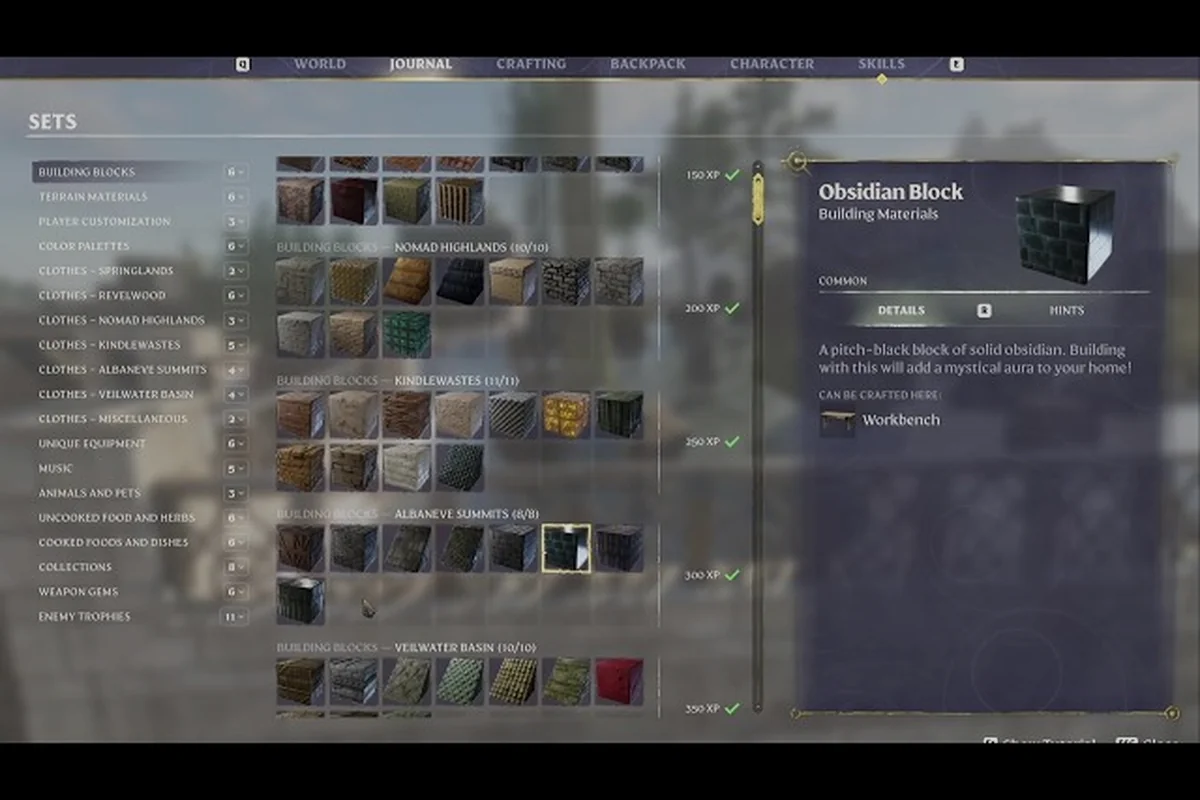
Enshrouded Crafting Materials List: Recipes, Upgrades and Spells
Work through the Enshrouded crafting materials list to unlock hidden recipes, then upgrade weapons, armor and eternal spells with the right ores and resins.
All Articles
Enshrouded How to Get Metal Scraps for Copper, Iron and Steel
Farm Enshrouded how to get metal scraps faster, then follow the ore chain through copper, bronze, iron, steel, silver and gold with 1.0 loot buffs.

Enshrouded How to Get Obsidian in Cinder's Cradle
Learn Enshrouded how to get obsidian in Cinder's Cradle, plus where mycelium, hardwood, resin, adhesive and shroud cores spawn across Embervale.

Enshrouded How to Get Shroud Nexus, Runes and Elixir
Track Enshrouded how to get shroud nexus from Shroud Roots and elixir wells, then turn runes, archaic essence and obsidian lockpicks into upgrades.
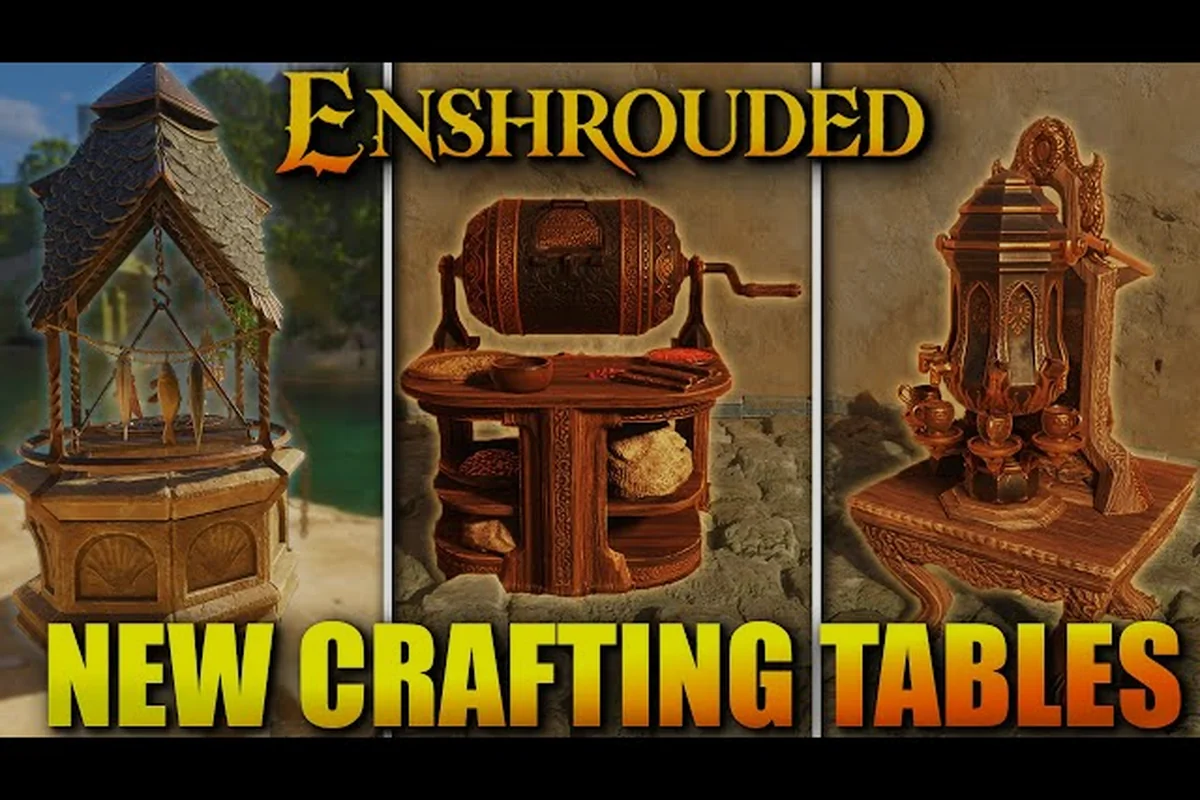
Enshrouded Kiln Guide: Charcoal, Alchemy and Tanning Stations
Fire up the Enshrouded kiln for charcoal, then run the alchemy station, laboratory, loom and tanning station to keep every recipe line supplied.